The kind of IoT that actually matters
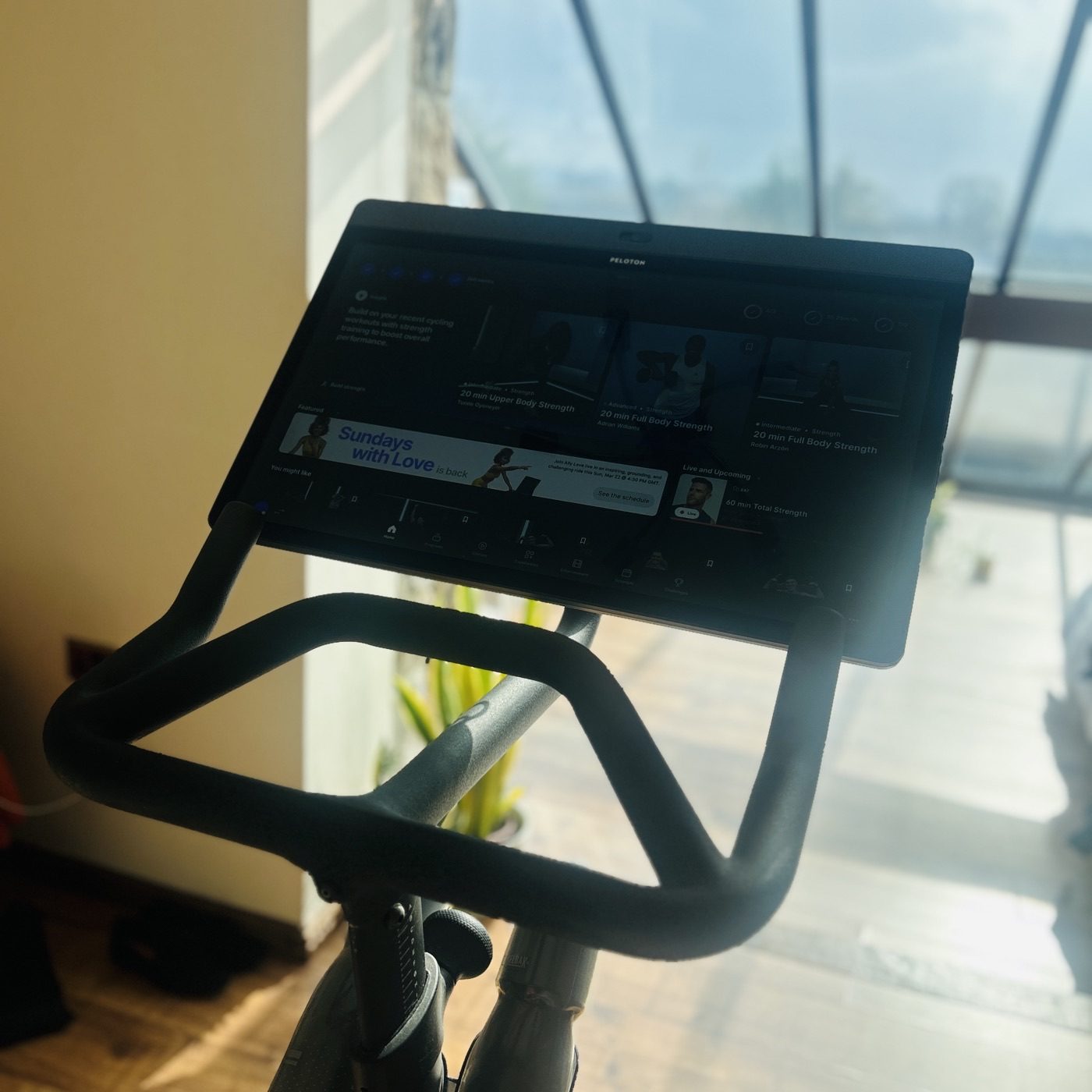
Five years on, my Peloton is the most useful product I own. It's the only one still paying attention, which says something about IoT.
Five years on, my Peloton is the most useful product I own. It's the only one still paying attention, which says something about IoT.
I bought a Peloton five years ago. It changed my life, which isn’t a sentence I’d write lightly. A year later I quit drinking. A year after that I went to study at CISL and the UN Staff College. The year after that I started Human Kind. This year we launched TalkPod and we’re preparing for our first pilot.
The Peloton sits at the start of that arc, and not by coincidence. It built a relationship with me that lasted long enough to deepen, and it did so through data. I tell it what I want to work on. It learns what motivates me. It nudges when nudging is useful and stays quiet when it isn’t. After five years of weekly use, it knows me better than the apps I check daily.
I’ve been thinking lately about what we actually mean when we call something IoT.
Walk into any electronics shop and you’ll see the same thing. A kettle you can boil from your phone while you’re standing right next to it. A fridge with a screen that shows you what’s inside, in case opening the door is too much work. A toothbrush that sends a report to your phone after every brush. The connection has been bolted on because it can be, and the box treats that connection like it’s the point.
My Peloton has been paying attention for five years. It knows when I ride, what I respond to, when I’m fading. The data isn’t a feature on the box. It’s what’s kept the relationship going.
Nothing else I own does that. The rest sit on a shelf, get bought, get used, and break off contact with their owner the moment the transaction completes. The brand has no idea whether the customer came back to the same model, used it well, struggled with it, or quietly stopped using it. Whatever data exists about that relationship is locked inside the customer’s head, never shared with the people who made the product.
That’s a strange default to have accepted. The pre-purchase journey gets endless design attention, all the way down to basket flows. The post-purchase relationship gets a confirmation email and silence. Brands have optimised the moment of sale almost to perfection while shipping products that stop listening the second money changes hands.
The Peloton’s whole proposition is that the relationship continues after the sale, and the data is what keeps it useful. The bike is more useful this year not because of new features. It’s because the bike has been paying attention to me for five years, and it answers accordingly.
TalkPod came out of the same observation. We launched it this year and we’re preparing for our first pilot. Take a power tool, a hi-vis jacket, a pressure washer. None of them were built connected, but the brand that made them often has no idea who’s using them, how, or whether anyone’s coming back. The pod we attach to a product is a way to begin the kind of conversation that the Peloton has had with me for five years, just at a much earlier stage of the relationship.
Someone picks up a drill at a trade counter and isn’t sure whether its battery will work with the cordless kit they already own at home. They scan the QR on the box, and the pod answers them from the brand’s own product data: yes, here’s the platform it’s on, and here are the tools you’ve probably already got that take the same battery. The buyer learns something they didn’t know. The brand has just had a conversation with a customer it would never have heard from otherwise. A relationship that should have ended at the till has just started. Same shape as the Peloton’s loop, on a product that nobody had thought of as connectable.
Five years on, the Peloton has earned its place in the corner of the room. It’s also probably the most useful product I own, by some distance, because it’s the only one that’s actually paying attention.
Brands talk about customer relationships and ship products that treat the sale as the destination. The Peloton treats the sale as the beginning, and that’s why I’m still using it five years on. Any brand could be doing this. The ones that do end up with a relationship instead of a transaction, and the rest looks after itself from there.
Opinion
The argument about AI flattening design misses the point. We were already doing it to ourselves.
Opinion
Most websites weren't designed to be queried. They were designed to be visited. That distinction is about to matter more than most organisations realise.
Opinion
AI has made it cheaper and faster to build digital products than ever. But without governance, ownership and direction, that speed creates technical debt, digital waste and teams left maintaining systems they did not design.
We bring senior digital leadership across technology, product and sustainability.